Delivering the statement during the adoption of Iraq’s Universal Periodic Review (UPR*) report, Humanists International noted that despite constitutional guarantees of equality, women and girls in Iraq continue to face systemic abuse – entrenched by legal loopholes, impunity, and the failure of state institutions to ensure protection or justice.
The organisation condemned Iraq’s ongoing failure to criminalize marital rape, describing it as part of a wider culture of impunity that denies women their rights to bodily autonomy and justice. It also criticized Iraq’s rejection of a recommendation by Denmark to repeal Article 398 of the Penal Code, which allows rapists to escape prosecution if they marry their victim.
Equally troubling, Humanists International highlighted Iraq’s refusal to repeal Article 41(1) of the Penal Code, which gives husbands legal authority to punish their wives. This, the organization stated, fundamentally contradicts Iraq’s international human rights obligations and entrenches gender-based violence in law.
The statement also addressed the issue of child marriage, calling it a widespread and legally enabled practice in Iraq. UNICEF data shows that nearly a third of Iraqi women aged 20–24 were married before the age of 18. While the legal minimum age of marriage remains 18 under the amended Personal Status Law, exceptions granted by religious and tribal authorities permit girls as young as 15 – and in some cases as young as 12 – to be married, undermining child protection frameworks.
Humanists International expressed regret that Iraq refused to re-establish the previous outright ban on marriage under 18, a recommendation rejected during the UPR. The organisation emphasized that such practices breach Iraq’s obligations under both the Convention on the Rights of the Child (CRC) and the Convention on the Elimination of All Forms of Discrimination Against Women (CEDAW).
While acknowledging Iraq’s adoption of a national strategy to combat violence against women and girls, the statement concluded that such initiatives will have little impact without the legal reforms needed to ensure real protection from violence and discrimination.
*The Universal Periodic Review (UPR) is a UN process which involves a periodic review of the human rights records of all 193 UN Member States, by each other. It is a unique human rights mechanism in so far as it addresses all countries and all human rights. The Working Group on the UPR, which is composed of the Human Rights Council’s 47 Member States and chaired by the Human Rights Council President, conducts country reviews.
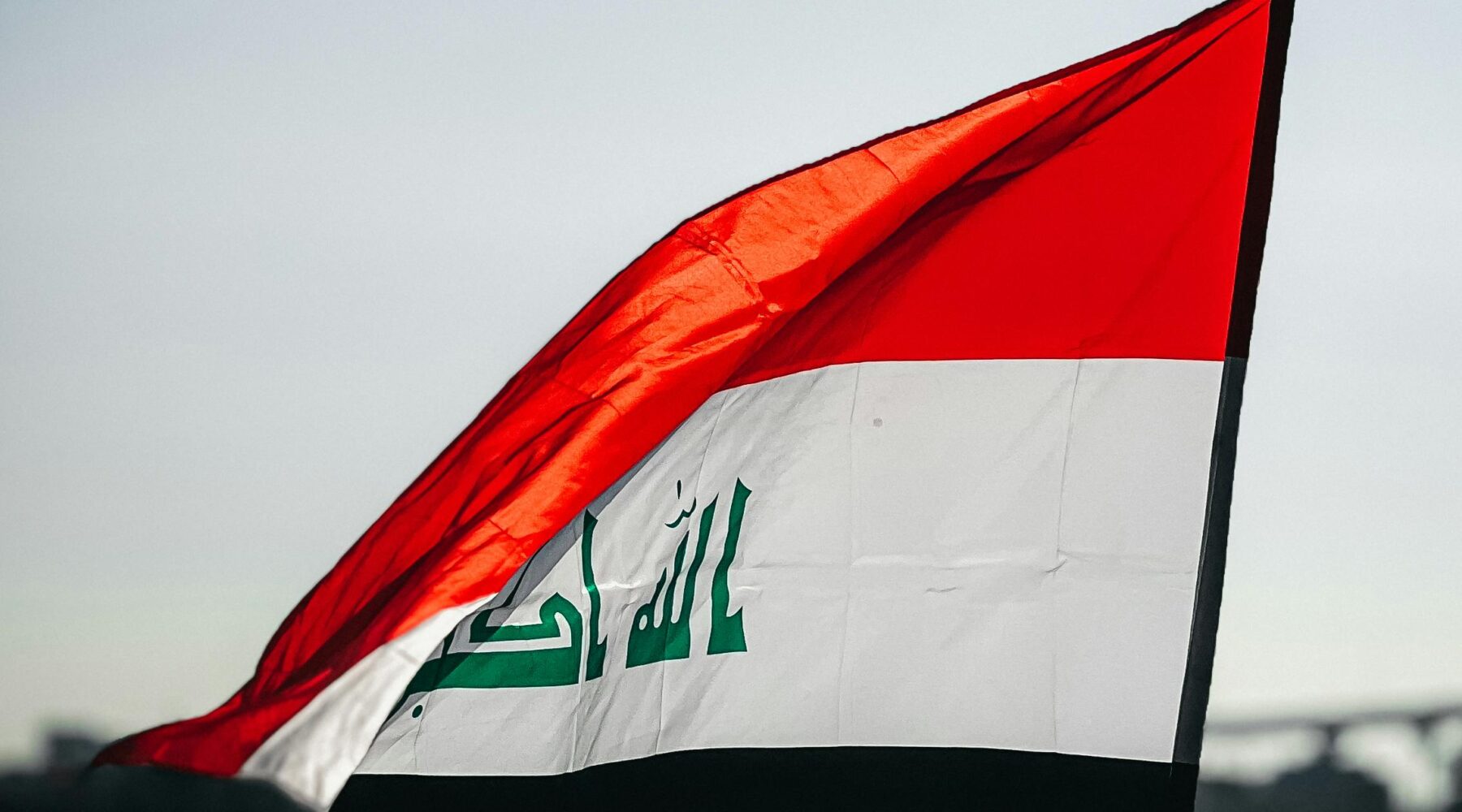
Featured Photo by Hussein Samad.
Together we can do even more to promote humanist values and defend human rights. Join Humanists International as a Member Organization or become an individual supporter in your own right.