Humanists International Statement on the Crisis in Iran
Opposing State Repression and Foreign Military Intervention
Opposing State Repression and Foreign Military Intervention
Where no Security Council authorization exists, and where a State cannot credibly invoke the right to self-defense under Article 51, such acts may constitute an act of aggression. Pretextual arguments implying self-defense do not satisfy the requirements of Article 51. Such aggression may be considered a crime under international criminal law, per Article 8bis of the Rome Statute, although we note the jurisdictional hurdles to prosecuting states non-parties. Regardless, we call on all relevant international bodies to examine the lawfulness of these actions and to hold those responsible to account.
We are particularly concerned about the mounting civilian death toll from attacks. International humanitarian law (IHL) is founded on the principle of distinction, and actions against civilians and civilian infrastructure violate these tenets. Strikes on educational facilities, energy plants, and other civilian infrastructure should be investigated where IHL has likely been contravened, in a thorough, independent, and transparent manner. We also condemn retaliatory strikes by Iran against numerous countries in the region. Again, violations of international humanitarian law should be investigated, and parties should take all possible steps to ensure precautionary measures are taken, comply with applicable rules of engagement, and fundamentally, protect civilians from harm.
At the same time, our opposition to foreign military intervention does not diminish our serious concern regarding the Iranian government’s ongoing human rights violations. The state continues to persecute religious and belief minorities, including humanists. Through its response to protests, from the Women, Life, Freedom movement to the demonstrations of early 2026, the government has demonstrated a consistent disregard for its citizens.
Reports from inside Iran detail severe state violence, accelerated trials, and the threat of the death penalty for protesters under the charge of “enmity against god” (moharebeh). Furthermore, the practice of forcing families to pay for the return of their loved ones’ bodies is deeply distressing and represents a severe violation of basic human dignity. The Iranian regime must cease these widespread human rights abuses.
These two areas of concern are not mutually exclusive. Our opposition to the use of international force outside the bounds of international law and our condemnation of state-sponsored violence are both grounded in a profound concern for the Iranian people, and a commitment to universal human rights. At the core of both concerns is the protection of individuals and their rights.
Maggie Ardiente, President of Humanists International
Maggie Ardiente, President of Humanists International, commented:
“As humanists, our commitment to human dignity requires us to consistently oppose oppression and violence. We reject the notion that unilateral military strikes are an acceptable solution to international conflicts, just as we firmly oppose the Iranian government’s suppression of its own people. War and foreign intervention are not the path to liberation. True progress and the vindication of universal human rights are found through accountability, justice, and adherence to international law, not in further violence.”
As we share this position with the leaders of our Member and Associate organizations worldwide, Humanists International reaffirms its belief, as stated in the Oslo Declaration on Peace, that all wars are started by human beings, and they must be ended by human beings working together. We will continue our advocacy at the United Nations, and we have already raised the issue of repression in Iran in calling for a Special Session of the UN Human Rights Council in January 2026. We will be raising many of the points in this letter at the UN in the coming weeks and we call on our members to raise these points in any appropriate fora.
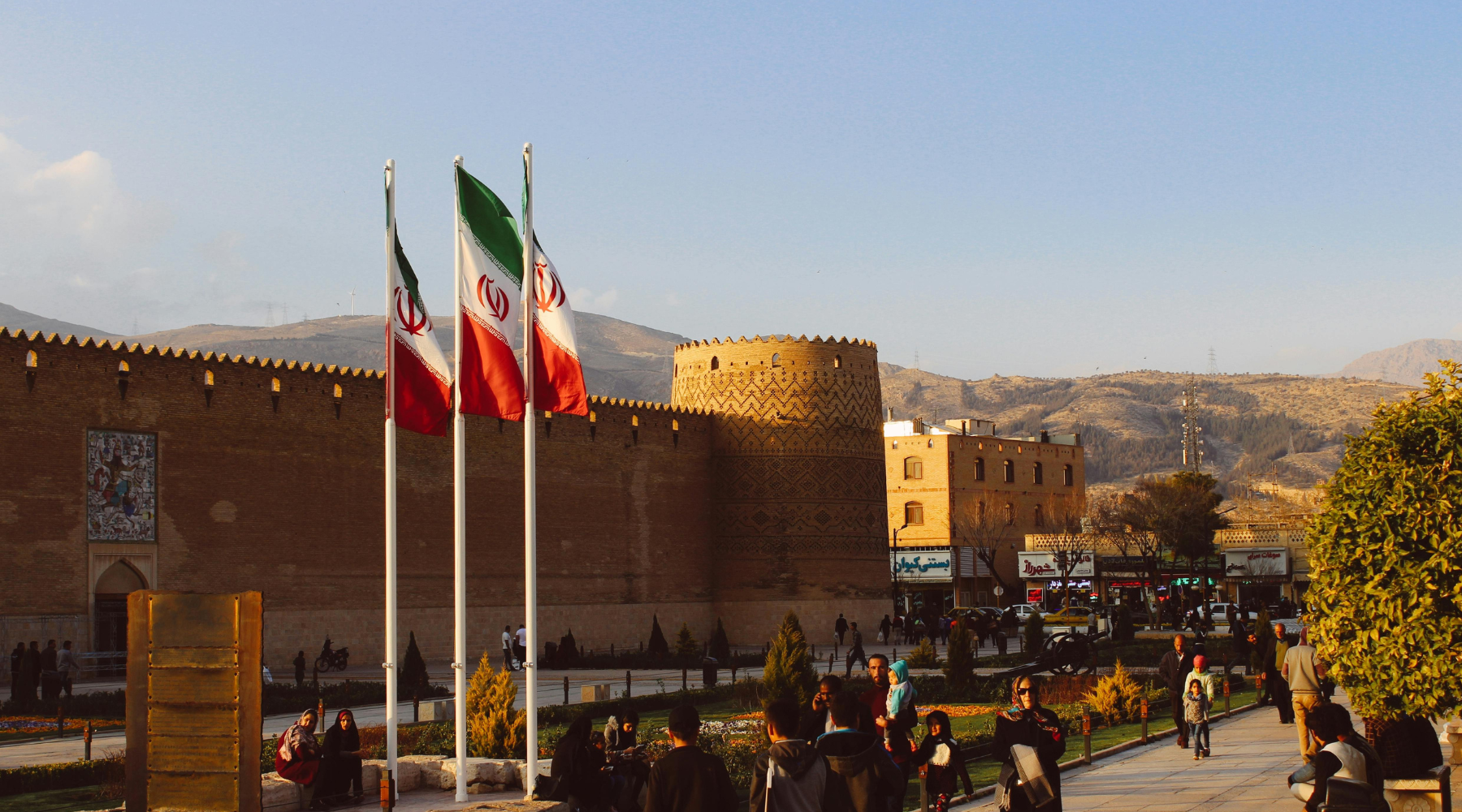
Featured Photo by elif özlem aydeniz on Pexels.