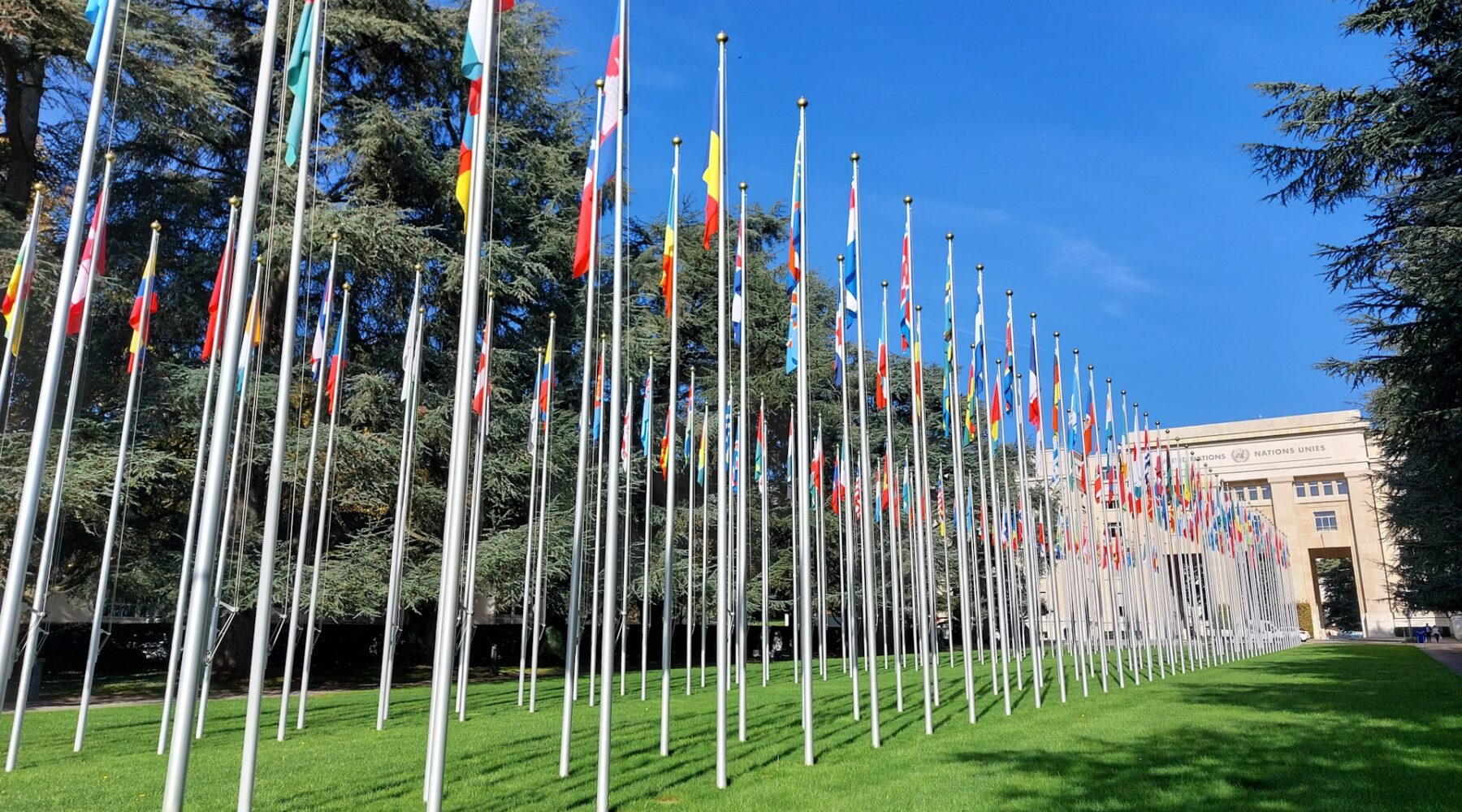
The submission responded to a call for inputs* for a thematic report to the 64th session of the Human Rights Council on the mental health and psychosocial well-being of human rights defenders. Humanists International drew on its casework, on the research behind its annual Freedom of Thought Report, and on its work with defenders in the humanist community. The submission focused on humanists, atheists, and other non-religious people who defend the right to freedom of religion or belief.
Humanists International’s submission emphasized that humanist and non-religious FoRB defenders can face serious psychological stress and threats to their safety long before engaging in formal human rights advocacy. Once a non-religious identity becomes known or suspected, individuals may experience ostracization, family rejection, discrimination, and persecution by both State and non-State actors.
“Apostasy” and “blasphemy” laws, together with vaguely worded provisions concerning “morality”, “religious harmony”, and “public order”, are routinely used to target non-religious people. Such provisions may also be used alongside repressive cybercrime laws to surveil defenders and build legal cases against them in connection with their human rights work. These can often escalate into serious security threats, including death threats, being forced to relocate or go into hiding, restrictions on freedom of movement, and the exposure of defenders’ identifying information by State authorities
A central concern raised in the submission was the difficulty FoRB defenders face in accessing appropriate mental health and psychosocial support. In many countries, counselling and mental health services are provided primarily by religious institutions or by practitioners closely connected to religious communities. While such services may be appropriate for many people, this can present a significant barrier for humanist and non-religious defenders, particularly in contexts where “apostasy” or “blasphemy” laws are in force. Disclosing their beliefs, identity, or experiences to a mental health provider may raise concerns about confidentiality and personal safety. As a result, the absence of accessible, confidential, secular or non-religious options can deter some defenders from seeking support altogether.
The submission also highlighted circumstances in which mental health systems may themselves be used against humanist and non-religious people, including through involuntary psychiatric detention linked to their non-religious identity or beliefs.
Humanists International further drew attention to the psychological impact of barriers within protection and support systems. FoRB defenders may struggle to have their work recognized as human rights advocacy and may be viewed primarily through the lens of their humanist or non-religious identity, rather than recognized as human rights defenders in their own right. Repeatedly having to recount traumatic experiences and navigate complex or demanding application processes can compound existing distress, contribute to exhaustion and a sense of hopelessness, and begin to erode trust in human rights protection mechanisms.
To address these challenges, Humanists International made a series of recommendations. It called on States to repeal so-called “apostasy” and “blasphemy” laws, as well as vaguely worded provisions on “morality”, “religious harmony” and “public order”; prohibit involuntary psychiatric detention linked to an individual’s religion, belief, or non-religious identity and provide effective remedies where it occurs; ensure that publicly funded mental health services include confidential, non-religious options; and extend anti-SLAPP protections to proceedings brought against defenders in connection with religion or belief.
Humanists International also called on national human rights institutions, protection mechanisms, and civil society organizations to recognize humanist and non-religious FoRB defenders as human rights defenders, reduce avoidable sources of retraumatization within support processes, and provide greater support to those whose applications for assistance are unsuccessful. Donors were urged to fund psychosocial support as a core operational cost, including for staff and partners providing emergency assistance, and the UN and regional organizations were encouraged to record belief identity in data on defenders at risk and recognize the psychological impact of prolonged judicial harassment as part of the harm experienced by defenders.
*Calls for inputs are open invitations from UN human rights experts for States, civil society, and others to submit evidence for a thematic report to the Human Rights Council.
Together we can do even more to promote humanist values and defend human rights. Join Humanists International as a Member Organization or become an individual supporter in your own right.