The submission will inform the Independent Expert’s report on international solidarity and faith-based and humanist organizations, which she will present to the Human Rights Council at its 65th session in June 2027. It is the first such report to address humanist organizations alongside faith-based ones, and Humanists International welcomed the explicit inclusion of humanists in its title. In its submission, Humanists International explained that international solidarity was at the heart of its founding in 1952, when national humanist organizations came together after the Second World War to represent the movement at the newly founded United Nations. For humanists, solidarity follows from a shared humanity rather than a shared belief, and so extends to everyone, whatever their religion or belief.
The submission describes how Humanists International puts this into practice. It connects its Members through the General Assembly, online members’ meetings, regional networking and the World Humanist Congress, and funds participants from the Global South to attend. At the UN, it speaks up for people well beyond the humanist community, from religious minorities in Syria and Iran to the women and girls of Afghanistan, where it has led calls to codify gender apartheid as a crime against humanity. It also takes part in inter-belief initiatives such as the UN Faith for Rights framework, whose founding Beirut Declaration Humanists International helped to draft. The submission then turns to the barriers humanists face when acting in solidarity. These include identity documents and registration rules that erase the non-religious, laws that treat atheism as terrorism, the judicial harassment of human rights defenders such as Greek humanist Panayote Dimitras, and the killings of secular bloggers and publishers in Bangladesh. Humanists International closed by asking the Independent Expert to recommend that States explicitly recognize and support non-religious groups in efforts towards international solidarity, and act on the risks faced by those who act in solidarity with others.
Over a dozen Humanists International Members from across the world have also responded to the call, after Humanists International circulated it across the network and supported organizations in preparing their inputs. Humanists International’s own submission endorses these responses. It also highlights examples of Members’ own solidarity work, from disaster preparedness training by the Taiwanese Humanist Institute to support for people accused of witchcraft by Advocacy for Alleged Witches in Nigeria.
The submission draws on principles that the humanist movement has set out in its own words through the resolutions of the General Assembly and the declarations of the World Humanist Congress. Most recently, the Ottawa Declaration on Humanism as Resistance commits the movement “to compassionate solidarity”, observing that “authoritarianism thrives on isolation; humanism thrives on connection.” The submission shows how that commitment becomes material support through Humanists International’s Growth and Development programme. Each year the programme awards grants generally between £200 and £10,000, to Members in countries including Brazil, Ghana, Lebanon, Malawi, Nigeria and Uganda. Grants have funded work on countering harmful traditional practices and caste-based discrimination, sexual and reproductive health and rights, children’s rights, and non-discrimination on grounds of sexual orientation and gender identity.
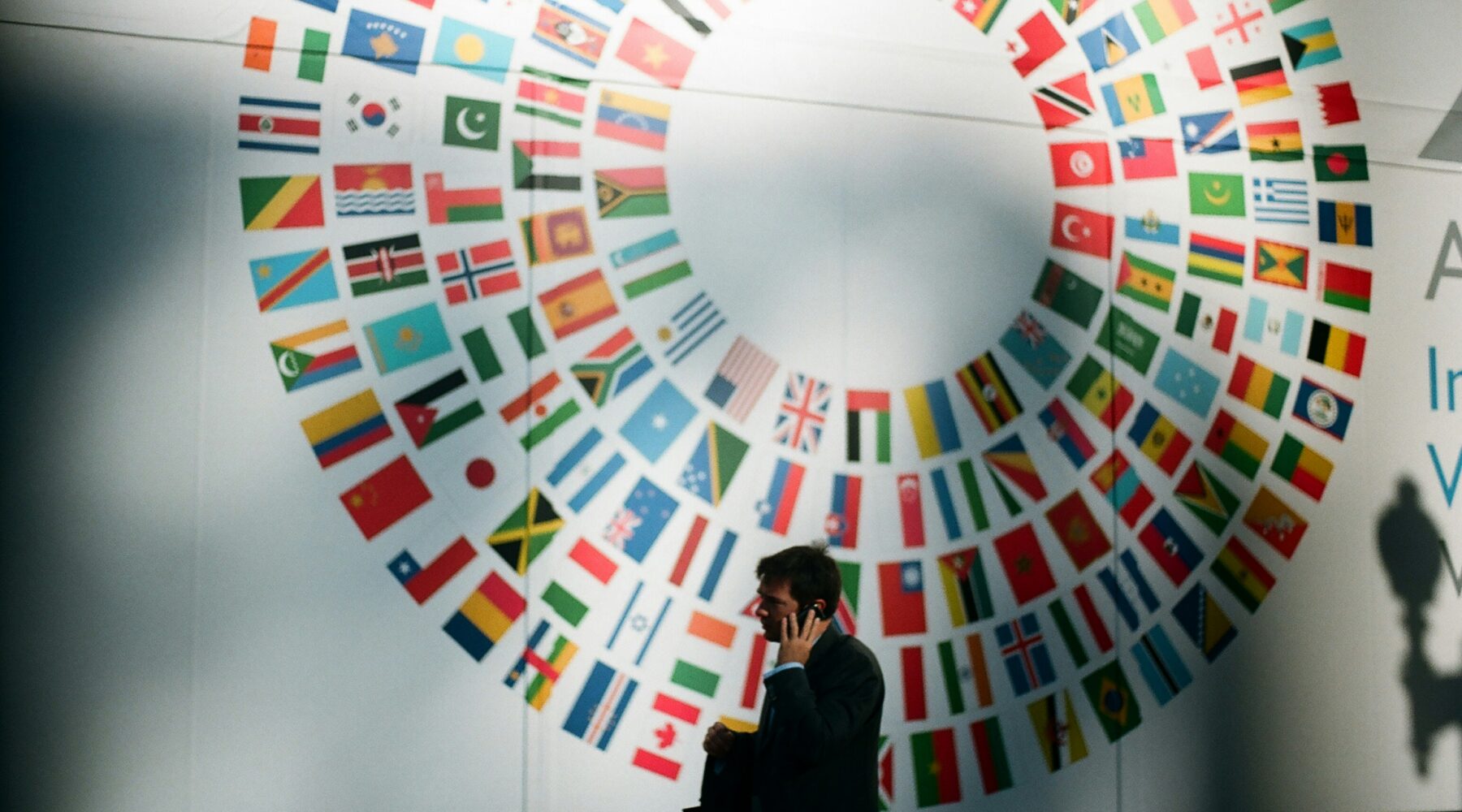
Photo by Markus Krisetya on Unsplash
As a registered charity and NGO, we rely on the donations we receive from our members and supporters to help us campaign on humanist issues, lobby for humanist values at international institutions (including the United Nations) and protect humanists at risk of persecution and violence. If you support our aims, please consider giving a one-off or regular gift today. Thank you.