Humanists International’s input will inform the Special Rapporteur‘s report on the promotion and protection of the right to freedom of opinion and expression for his 2027 vision-setting report and the development of the mandate’s strategic priorities for the period 2026-2029, to be presented to the Human Rights Council in June 2027. The submission focuses on two broad themes that we recommend the Special Rapporteur include in his priorities for the 2026-2029 period. The first theme is the interaction between the right to freedom of expression and other human rights protected by the International Covenant on Civil and Political Rights (ICCPR), and the second is the role of transnational anti-rights movements in instrumentalizing freedom of expression to undermine the rights of the most vulnerable and marginalized groups protected by international human rights law.
In its submission, Humanists International first highlighted the critical role of examining the relationship between the right to freedom of opinion and expression (Article 19 of the ICCPR) and the right to freedom of religion or belief (Article 18 of the ICCPR). We argued that Articles 19 and 18 support and reinforce each other in the international protection of human rights, particularly since belief minorities are also protected under the latter. For example, non-religious expression is protected under both Articles 19 and 18, and the former further protects criticism of religion that may be deeply offensive. Moreover, Article 19 allows certain elements of Article 18, such as praying or holding gatherings of non-religious individuals, to be fully vindicated. At the same time, the relationship between the two rights can become more complex and nuanced when Article 19 rights are being exercised to criticize religion, engaging Article 18 rights, and we invited the Special Rapporteur to examine such questions.
Further, Humanists International urged the Special Rapporteur to study the issue of hate speech and incitement, expression by minority and marginalized groups, and non-discrimination in Article 26 ICCPR in the vision-setting report. We further pointed to our successful engagement with the Glion Recommendations on Implementing the Rabat Plan of Action in the Digital Age, where we highlighted issues such as the suppression of political expression online and mapping legal responsibility for transnational online speech engaging different jurisdictions. As political expression increasingly moves online, and the digital sphere becomes a public forum for debate, we urged the Special Rapporteur to consider the important recommendations set out in this document. Moreover, we raised the issue of blasphemy and apostasy laws, which remain among some of the deadliest restrictions on expression globally. This is an example of the instrumentalization and weaponization of freedom of expression. It is also linked to the issue of hate speech and incitement, and we invited the Special Rapporteur to examine the criminalization of such expression.
Finally, the submission argued that it is critical to examine and engage with anti-rights backlash and anti-rights movements that seek to undermine the progressive development of the law. We have recently documented an increasing instrumentalization of the right to freedom of expression, and the human rights system more broadly, by anti-rights actors, groups, and movements who seek to undermine the international human rights system using the language of human rights. This is distinct from the way in which different human rights interact in a particular context. Article 5(1) ICCPR provides that nothing in the ICCPR implies a right to engage in any activity aimed at the destruction of the rights and freedoms it recognizes. We therefore invited the Special Rapporteur to consider how anti-rights actors and movements instrumentalize human rights protections, including the right to freedom of expression, to undermine the rights of minorities and the marginalized.
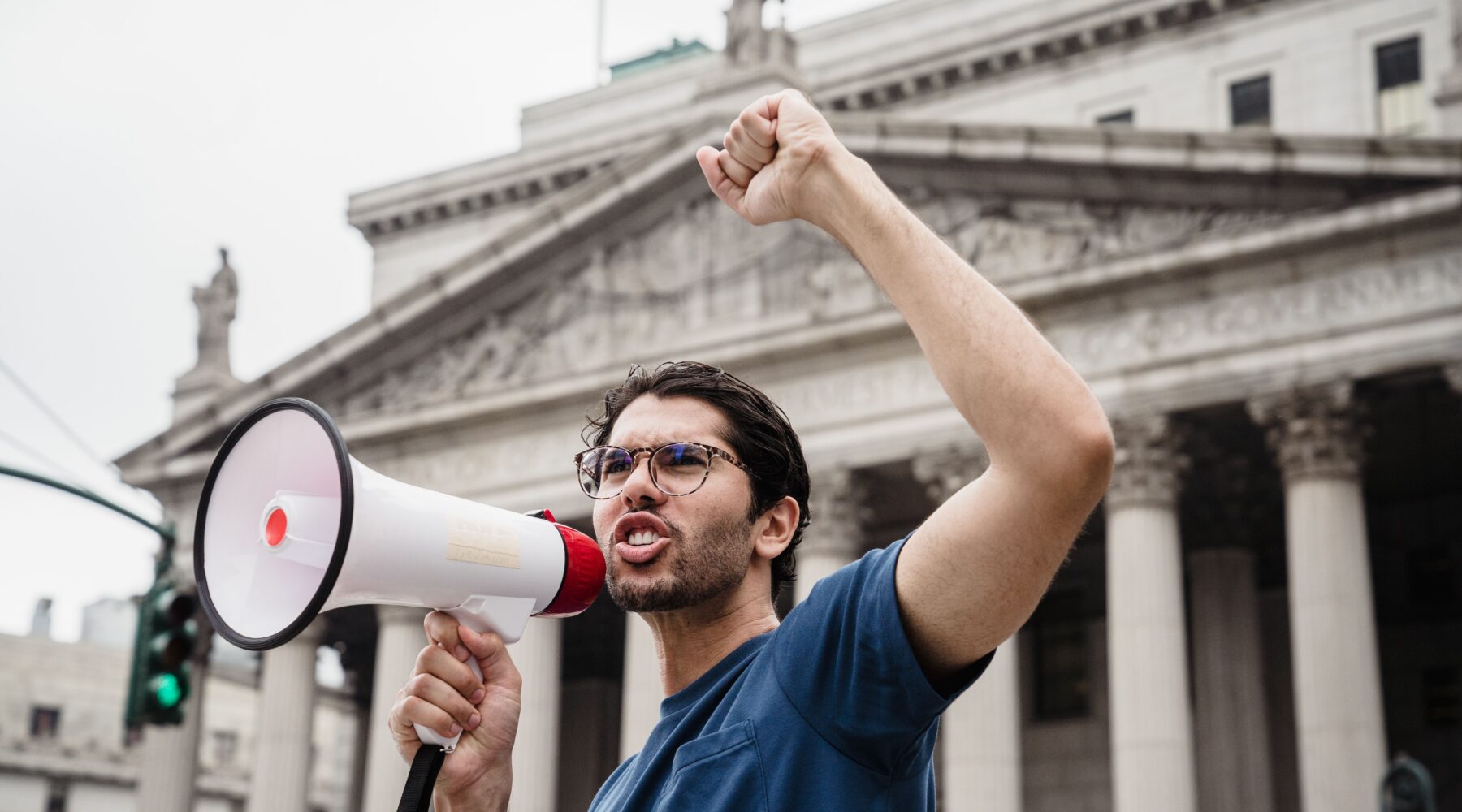
Photo by Lara Jameson via Pexels
As a registered charity and NGO, we rely on the donations we receive from our members and supporters to help us campaign on humanist issues, lobby for humanist values at international institutions (including the United Nations) and protect humanists at risk of persecution and violence. If you support our aims, please consider giving a one-off or regular gift today. Thank you.