Gary McLelland, Chief Executive of Humanists International, expressed his concern about the structure of the mandate and the current appointment process in a letter addressed to Commission President Ursula von der Leyen and Commissioner for Internal Affairs and Migration Magnus Brunner.
The Special Envoy for the promotion of freedom of religion or belief (FoRB) outside the European Union is the only high-level diplomatic official that deals with a specific human right, which are usually covered by the EU Special Representative for Human Rights. McLelland criticized that this siloing of the right “risks undermining that very universality and interdependence that underpin human rights law” and “will discourage treating the right to FoRB in an inclusive and intersectional manner.”
This institutional set-up as a separate mandate, placed within Commissioner Brunner’s cabinet rather than in the EU diplomatic service (EEAS), creates certain risks for the promotion of all human rights. “A poorly chosen appointee is liable not to sufficiently balance the right to FoRB with other rights and could, inadvertently or intentionally, even instrumentalize it to undermine the human rights of others, including women, children, and LGBTIQ+ people,” McLelland explained in the letter. A previous Envoy’s association with anti-abortion and anti-LGBTI+ groups was criticized by MEPs, in both open letters and a parliamentary resolution, and by the European Ombudsman.
The letter urged the appointment of a human rights expert with experience in promoting freedom of religion or belief for all, including non-believers, and no past record or affiliations that conflict with the universality and interdependence of human rights, especially equal rights for LGBTIQ+ people and sexual and reproductive rights.
McLelland also requested that the Commission perform a review of the added value of a distinct position, as demanded repeatedly by the European Parliament, and to consider subordinating it to the Special Representative for Human Rights.
Moreover, the letter expressed concerns about the lack of transparency around the appointment process and the work of the mandate. Civil society and Parliament are not consulted about the appointment, and candidate lists or selection criteria were not shared. In the past, the Envoy did not publicize work plans and failed to regularly report on their activities, including country missions, despite requests by the Parliament. McLelland urged the Commission to remedy these issues with a transparent selection process that consults with civil society and a framework for regular, public reporting on the Envoy’s activities.
Prior to this letter, Humanists International has raised similar concerns with the European Commission in 2020.
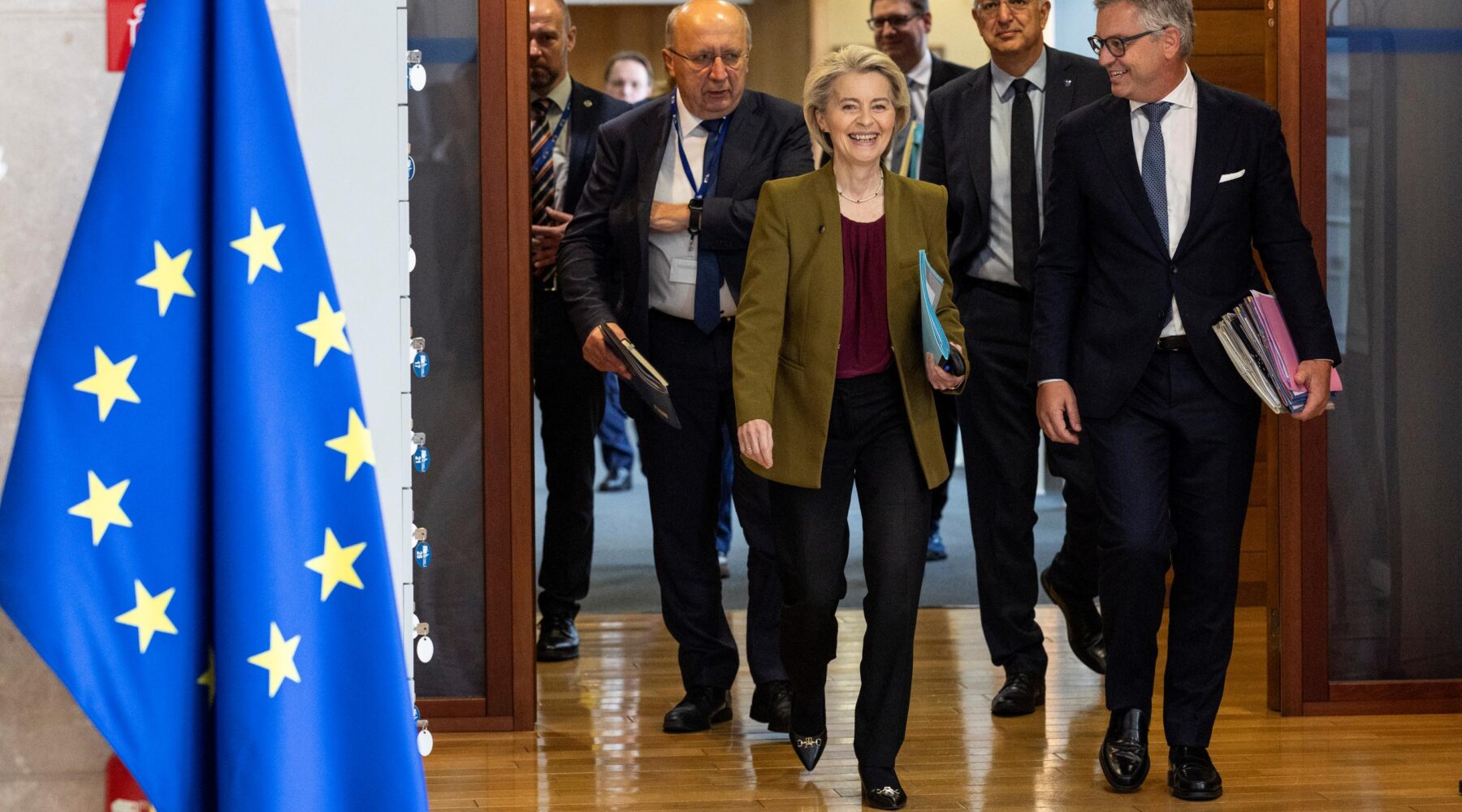
Photo: EC Audiovisual Service, Lukasz Kobus © European Union, 2025, CC BY 4.0