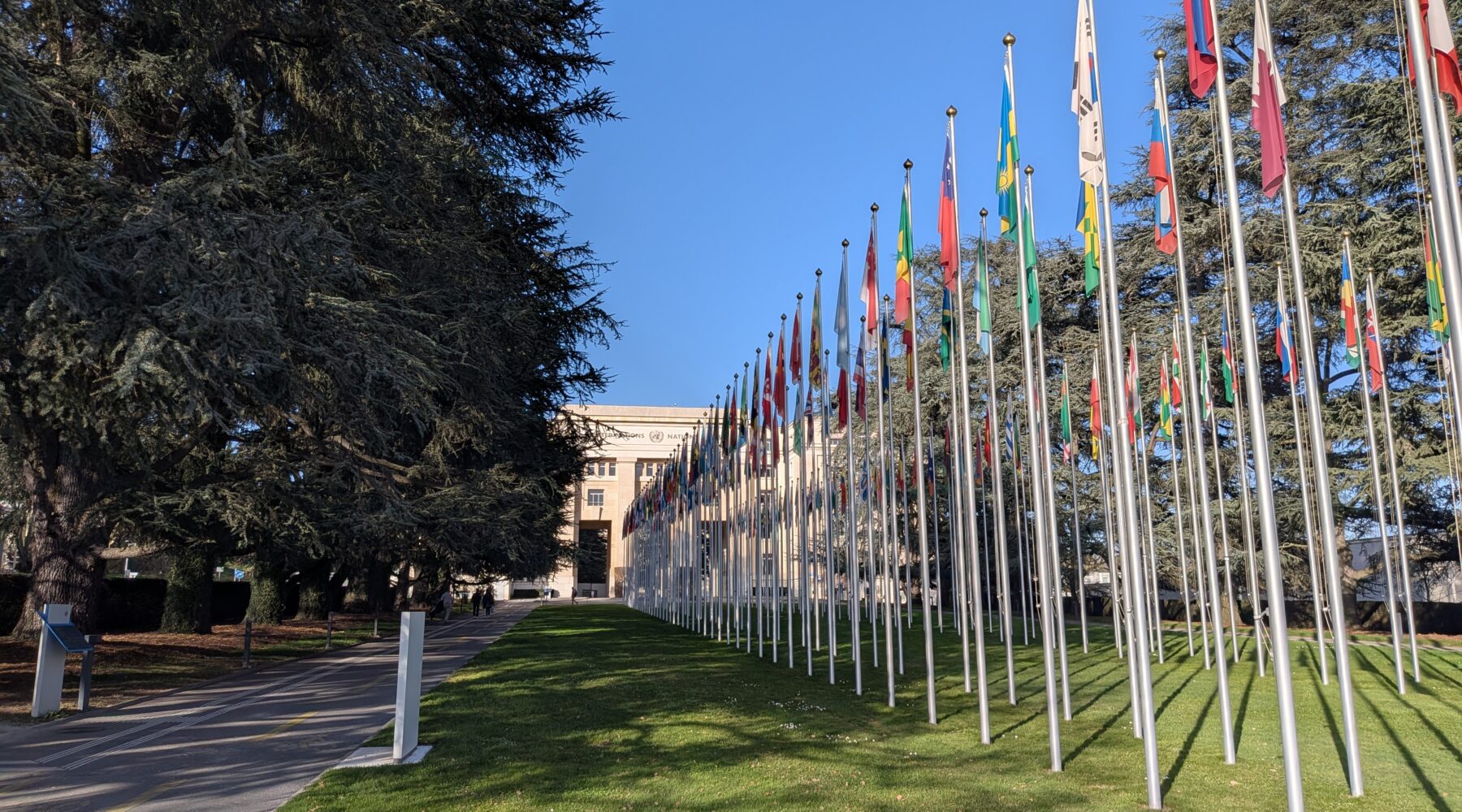
The Universal Periodic Review is a unique UN mechanism that involves a cyclical assessment of the human rights records of all 193 UN Member States. For civil society organizations, this process represents a critical opportunity to bypass domestic political roadblocks and elevate local issues to the global stage. Both the Belgian and Danish reviews will take place during the upcoming 52nd session of the UPR Working Group in May 2026. By submitting evidence and lobbying foreign diplomats, humanist groups hope that other member states will officially adopt their concerns and issue formal, actionable recommendations during the interactive dialogues in Geneva.
In Belgium, deMens.nu, which represents 38 member associations across Flanders, has submitted a detailed written contribution to the UN. The submission focuses heavily on human rights areas involving bodily autonomy that are increasingly under threat. Among its primary focuses, the Belgian submission criticizes severe limitations on abortion access, noting a strict 12-week gestational limit, a mandatory six-day waiting period, and legal obligations for doctors to inform patients about adoption. Because criminal sanctions remain for those who violate these provisions, over 400 Belgians are forced to travel to the Netherlands annually for care. deMens.nu urges the complete decriminalization of abortion and the removal of these barriers to comply with international human rights standards.
deMens.nu also raised alarms over a coordinated backlash against Comprehensive Sexuality Education (CSE) in Belgium, which has included arson attacks on schools and widespread disinformation campaigns spreading fake news. They called for the Flemish government to establish explicit, mandatory CSE learning objectives to protect educational standards from conservative pressure.
Furthermore, the Belgian submission highlighted critical legal gaps in end-of-life care and reproductive rights. deMens.nu advocated for the extension of advance euthanasia directives to include patients with acquired incapacity, such as dementia, preventing patients from feeling forced into premature euthanasia. The group also called for a comprehensive legal framework for surrogacy, warning that the current legal vacuum creates severe uncertainties, forces a lengthy two-year adoption process upon intended parents, and indirectly discriminates against single and same-sex parents. deMens.nu also respresented these concerns at the UPR Info Pre-Session, directly raising these issues to UN diplomats.
Simultaneously, humanists in Denmark have contributed to a joint civil society submission demanding urgent reforms to the country’s equality laws. The Danish Humanist Association – Humanistisk Samfund – submitted a joint submission alongside groups such as Amnesty International Denmark, Danish PEN, and the Danish Refugee Council. Chief among their concerns is the state’s unequal treatment of non-religious life stance organizations. The coalition noted that while Danish legislation recognizes and grants specific privileges to organizations based on traditional belief systems, it explicitly excludes non-religious groups. The submission urges the state to amend its legislation to grant non-religious life stance organizations the same legal rights, including the ability to perform legally binding marriages and access to the same tax regulations currently enjoyed by religious institutions.
The extensive Danish submission also addresses several broader intersectional human rights issues. The coalition urged the Danish government to implement a comprehensive action plan against racism with a clear definition , to explicitly guarantee educational environments free from discrimination and harassment , and to make sexual and gender education mandatory across all secondary education levels. Further concerns were raised regarding the inadequate protection of LGBTI+ asylum seekers , the troubling expansion of mass surveillance affecting citizens’ right to privacy , and the persistent issue of child poverty, noting that roughly 49,500 children in the country lack access to basic conditions.
Both organizations have taken part in Humanists International’s annual UPR training, which aims to give members the tools to engage meaningfully with the UPR process and support them on their journey to engage in international advocacy in their own right.
Leon Langdon, Senior Advocacy Officer at Humanists International, commented:
“The Universal Periodic Review relies on the vital grassroots evidence provided by civil society. It is crucial that the humanist voice is fiercely represented within these coalitions, as the rights of the non-religious and the demand for bodily autonomy are too often sidelined. By engaging directly with the UPR, our members ensure that human rights are championed for individuals, not religions or dogmas, and remind the international community that universal rights must never be compromised by cultural or religious exemptions. This is particularly important when anti-rights actors are increasingly using the UPR to forward their aims.”
Featured Photo by Leon Langdon