The joint statement was delivered by Kirstine Kærn, Chairperson of the Danish Humanist Society. Denmark was reviewed by the UPR Working Group at its 52nd session in May 2026 and received 265 recommendations from other States.
In an increasingly diverse country, the two organizations argued, the concept of “Danishness” needs to be broadened to be inclusive of all religions and beliefs, and the understanding of “belief” in Danish society and legislation should be expanded to take in identity-shaping convictions beyond traditional forms of religion. That would mean amending the law on faith organizations so that non-religious life stance organizations such as the Danish Humanist Society can be recognized on equal terms. Not one of the 265 recommendations addressed the point, the statement noted, despite its being raised directly in a joint submission by almost 30 organizations. Humanists International and the Danish Humanist Society expressed the hope that Denmark’s acceptance of recommendations on the treatment of religious or belief minorities could be extended to cover it.
Equal treatment matters most in the education of children, the statement continued. “Knowledge of Christianity” is a compulsory subject in Danish public schools, whatever a child’s own beliefs, and children can be excused only if a parent or guardian arranges an alternative form of religious knowledge education for them. The two organizations recommended that the public school syllabus encourage universal, human rights based values such as critical thinking, and refrain from preaching any one religion.
The statement commended Denmark for accepting recommendations on upholding the right to freedom of religion or belief in the asylum system. It went on to say that the needs and values of non-religious asylum seekers remain poorly understood, which can lead to discrimination in how their claims are assessed, and recommended that Denmark develop guidelines and train officials so that asylum seekers vulnerable to this form of persecution are better protected.
The Danish Humanist Society contributed to a joint civil society submission for the review alongside Amnesty International Denmark, Danish PEN, and the Danish Refugee Council. Its representatives prepared the draft after attending the annual training Humanists International runs for Member Organizations engaging with the UPR. The treatment of the non-religious in Denmark is documented in the Freedom of Thought Report, published annually by Humanists International.
*The Universal Periodic Review (UPR) is a UN process which involves a periodic review of the human rights records of all 193 UN Member States, by each other. It is a unique human rights mechanism in so far as it addresses all countries and all human rights. The Working Group on the UPR, which is composed of the Human Rights Council’s 47 Member States and chaired by the Human Rights Council President, conducts country reviews.
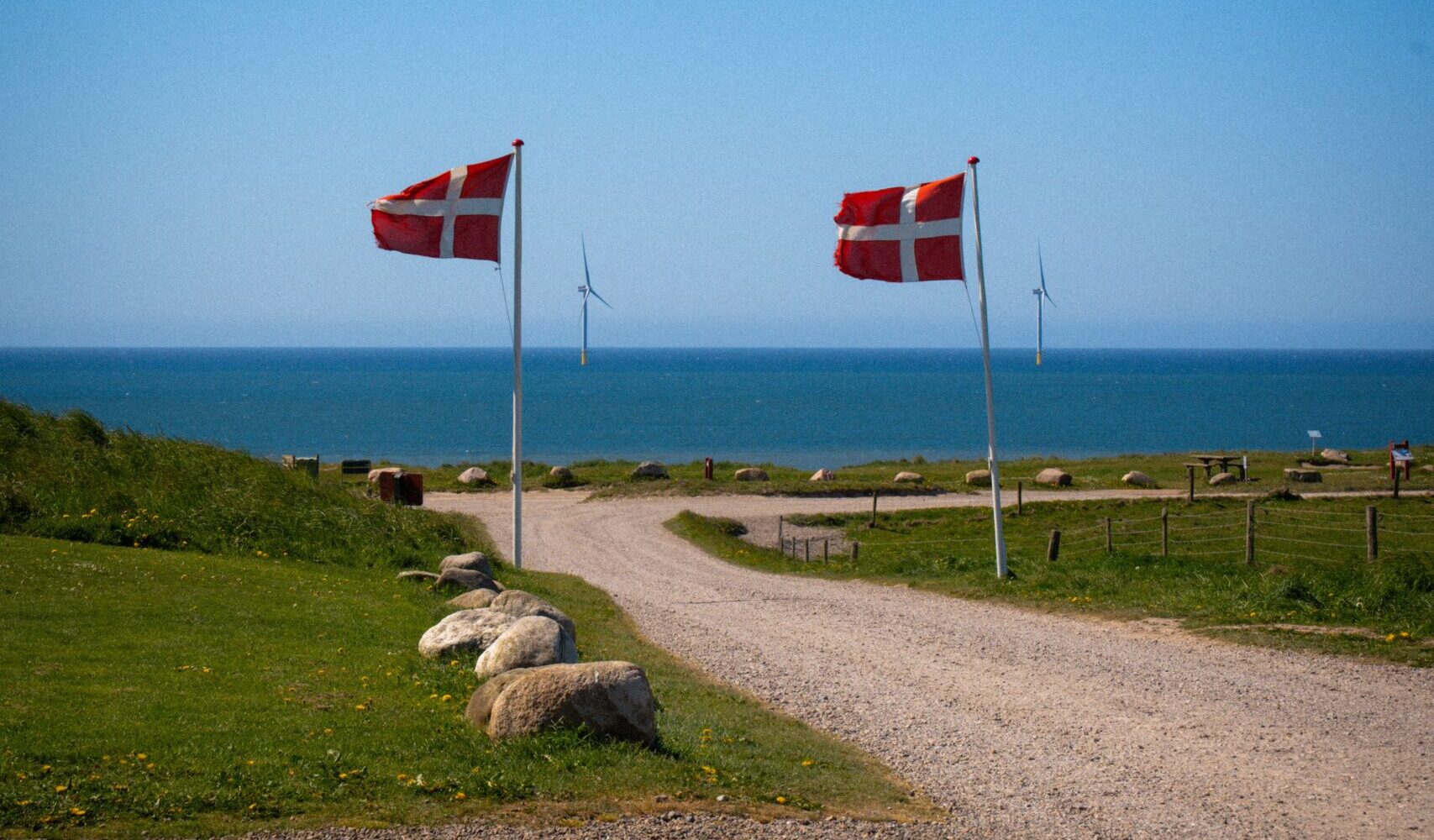
Featured Photo by Sascha Weber.
As a registered charity and NGO, we rely on the donations we receive from our members and supporters to help us campaign on humanist issues and lobby for humanist values at international institutions (including the United Nations). If you support our aims, please consider giving a one-off or regular gift today. Thank you.