The statement was delivered by Leon Langdon, Senior Advocacy Officer at Humanists International, under item 9 of the Council’s agenda, which covers racism, racial discrimination, xenophobia, and related intolerance, and follow-up to the Durban Declaration and Programme of Action.
Humanists International welcomed the report of the Group of Independent Eminent Experts on the Implementation of the Durban Declaration and Programme of Action, which records the rise of “far-right extremism, characterized by exclusionary conceptions of national, racial, religious or cultural identity”, and the resulting “normalization of hate speech, misinformation and racially and religiously motivated violence”.
Taking that finding as its starting point, the statement set out the position of the non-religious in many countries, who are persecuted by State and non-State actors for exercising their right to freedom of religion or belief. They are labelled dissidents, extremists, terrorists, or deviants, and carry considerable personal and social risk as a result. States have also engaged in transnational repression against non-religious activists, with some receiving death threats while in exile and others seeing their families harassed. “Blasphemy” laws, which remain on the statute book in more than 80 States, are used to prosecute religious and belief minorities.
The statement then pointed to the Ottawa Declaration on Humanism as Resistance, adopted this year at the World Humanist Congress in Ottawa, which sets out many of the same challenges. The Declaration argues that strengthening human rights institutions so that they can support defenders is itself a form of resistance to far-right extremism and authoritarianism, because it gives defenders a voice when other spaces have become too hostile to use.
As defenders turn to institutions for a platform and for protection, Humanists International said, those institutions must be accountable, accessible, and in the service of human rights. On that basis it called on States to repeal “blasphemy” laws, to recognize the non-religious among the defenders the Experts describe, and to ensure that reform of the UN human rights system widens rather than narrows the space for defenders to be heard meaningfully.
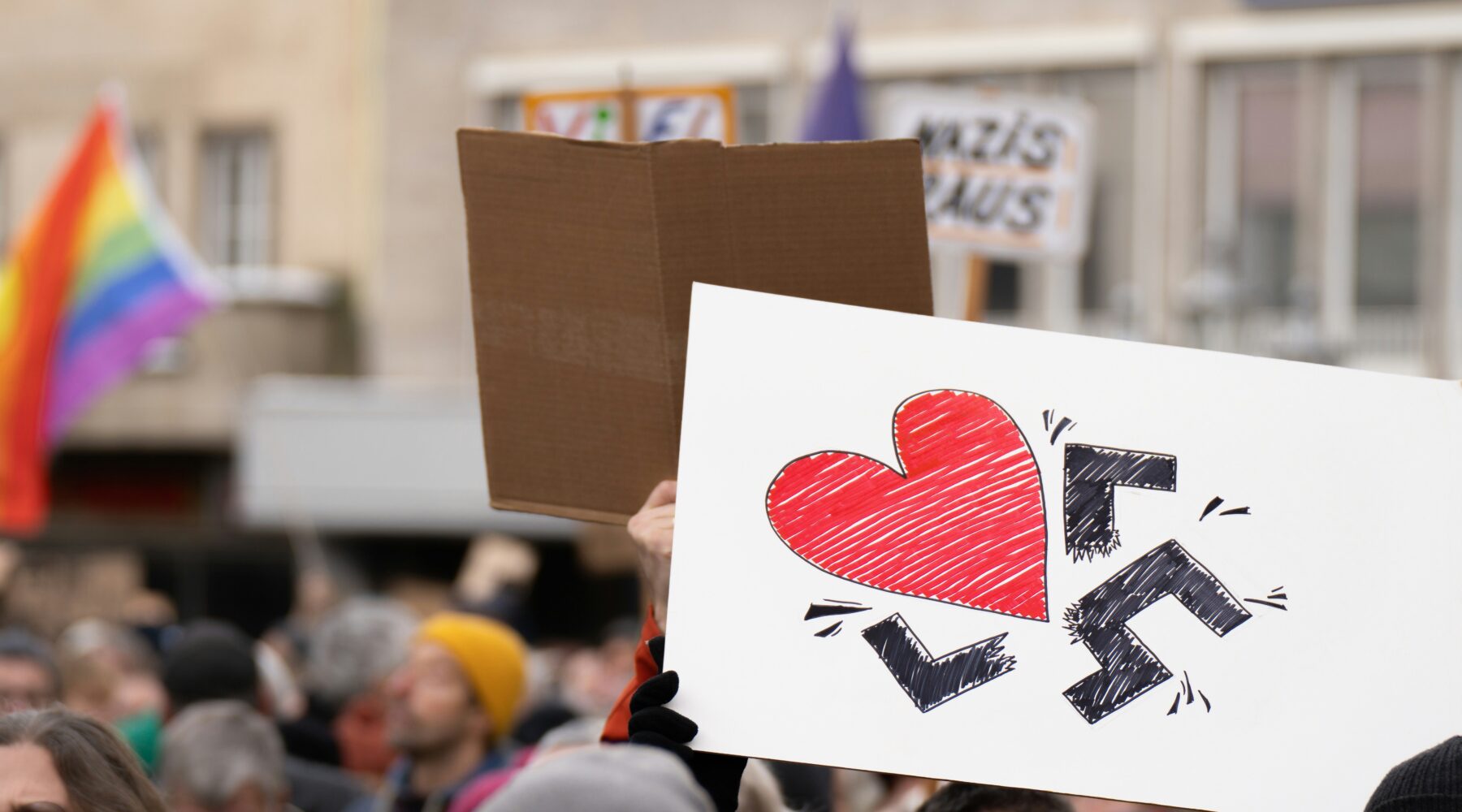
Photo by Mika Baumeister on Unsplash
As a registered charity and NGO, we rely on the donations we receive from our members and supporters to help us campaign on humanist issues and lobby for humanist values at international institutions (including the United Nations). If you support our aims, please consider giving a one-off or regular gift today. Thank you.