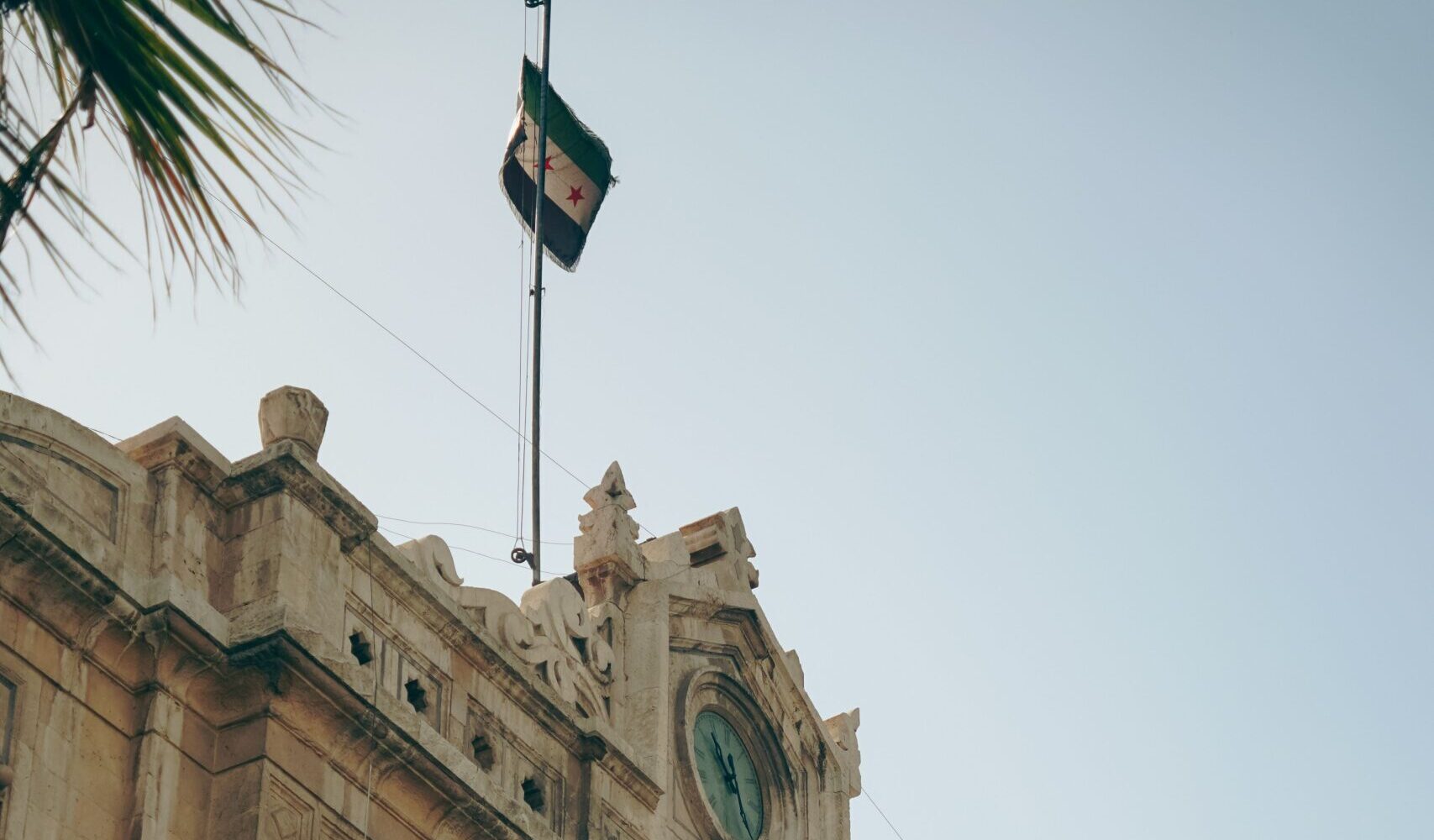
The statement was delivered by the organization’s Advocacy and Research Officer, Mythili Mishra, under item 3 of the Council’s agenda, which covers the promotion and protection of all human rights. Humanists International told the Council that Syria stood at a critical juncture, and that minorities had continued to experience persecution and violence since the end of the civil war. It pointed to recent violence and discrimination against Alawites, Druze, and Bedouins, as well as Christians, and to minority religious sites that remained under threat from armed conflict, civil unrest, and sectarian vandalism. The transitional authorities, it said, had failed to protect religious and belief minorities.
Against that background, the statement set out concerns about the Constitutional Declaration adopted in March 2025, which governs a five-year interim period. Article 10 of the Declaration provides that citizens are equal before the law without discrimination based on race, religion, gender, or lineage, a list that does not mention belief and so does not reach non-religious Syrians. Article 3 specifies that the religion of the President is Islam and that Islamic jurisprudence is the principal source of legislation. The same article protects freedom of belief, but qualifies that protection by reference to the State’s respect for “all divine religions”.
Humanists International called for those provisions to be replaced in the permanent Constitution with language that explicitly guarantees the right to freedom of thought, conscience, and belief for all, including those with no religious belief. It asked Syria to include explicit and justiciable protections for all ethnic and religious minorities, among them the right to express and act on non-religious convictions without discrimination or penalty. It also warned that “apostasy” and “blasphemy” laws, whether retained or newly introduced, would be fundamentally incompatible with international human rights law. An interim parliament met for the first time in July 2026 to begin work on the permanent text.
Syria drew attention from other organizations in the same debate. The International Bar Association’s Human Rights Institute raised the state of transitional justice and institutional reform, noting that proceedings against senior Assad-era officials before the Fourth Criminal Court had advanced before a transitional justice law was finalized and without domestic codification of crimes against humanity and war crimes. That gap, it argued, compromised the principle of legality and left judges adjudicating within an insufficient legal framework and under considerable public pressure, while court-appointed legal representation remained largely symbolic. Where death sentences were handed down in those conditions, it said, the credibility of the whole transition was placed at risk.
Humanists International has historically raised the situation of the non-religious in Syria, shining a light on individual stories and drawing attention to the atrocities committed by the Islamic State in Iraq and Syria. However, this statement represents the organization’s first comments since the fall of the Assad regime in late 2024.
Featured Photo by Halid Elosman.
As a registered charity and NGO, we rely on the donations we receive from our members and supporters to help us campaign on humanist issues, lobby for humanist values at international institutions (including the United Nations) and protect humanists at risk of persecution and violence. If you support our aims, please consider giving a one-off or regular gift today. Thank you.