A.J. Surin, the Founder of Humanists Malaysia, is a human rights and constitutional lawyer with a focus on issues such as “apostasy”, the separation of religion from state, statelessness, and the rights of atheists in Malaysia.
On 17th of January, 2025, I spoke about Humanists Malaysia’s efforts with ASEAN Peoples to integrate humanism into ASEAN. Subsequently, I wrote about it in Humanists International’s blog, which was posted on 13th of February, 2025.
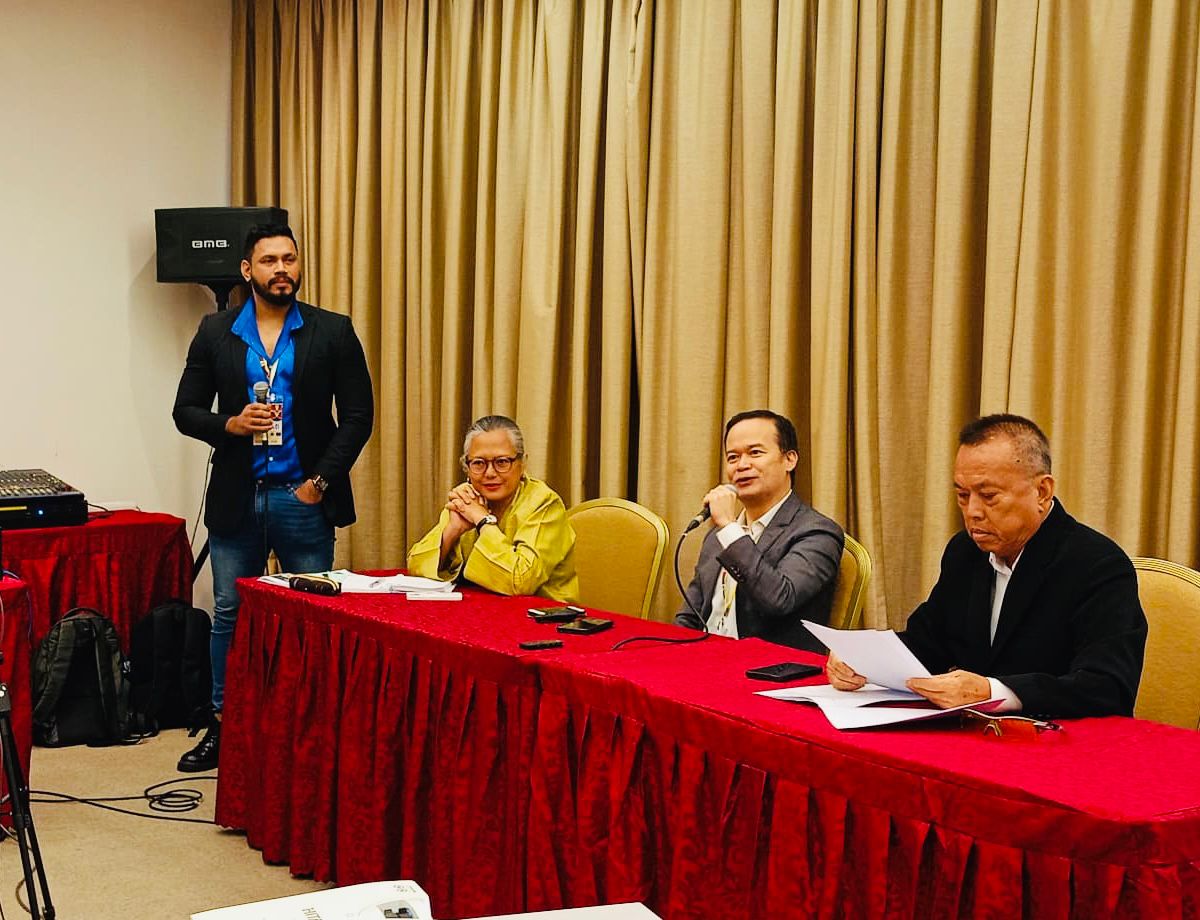
On the 24th and the 25th of May, we successfully organized the ASEAN Freedom of Thought, Conscience & Belief Forum in Kuala Lumpur, Malaysia. It was a success! Humanists including humanists leaders from Southeast Asia sat side-by-side with religious NGOs & activists, academicians focused on inter-faith relationships and human rights lawyers to discuss freedom of thought, conscience & belief in Southeast Asia.
To start the whole Forum off, Leon Langdon of Humanists International virtually discussed Humanists International and the international human rights framework on freedom of religion & belief and education.
Professor Paul Hedges of RSIS, Nanyang Technological University, Singapore spoke about interfaith dialogue and combating religious extremism & discrimination through dialogue; and cohesion & anti-radicalisation efforts.
Dr Jahaberdeen Mohamed Yunoos, who is a human rights lawyer, talked about the principle of freedom of thought, conscience and belief from a Quranic perspective. He challenged common misconceptions that Islam restricts personal freedom in matters of faith. He highlighted the Quran’s emphasis on critical thinking. He quoted the Quran which pointed to the fact that Islam does not force Muslims to do anything as the truth is clear from falsehood.
Rozana Mohd Isa, Executive Director of Sisters in Islam, which endorsed & supported the Forum, was in the same panel as me; she asked the question of whether or not our democracy was still a guardian of inclusive harmony, or was it becoming increasingly susceptible to exclusivist interpretations of identity and faith. Her short answer was yes. Additionally, in the question & answer session, she said that people of all faiths including humanists should come together via a mechanism or platform which allows all of us to talk about our similarities, shared values and humanity, instead of talking about what separates us.
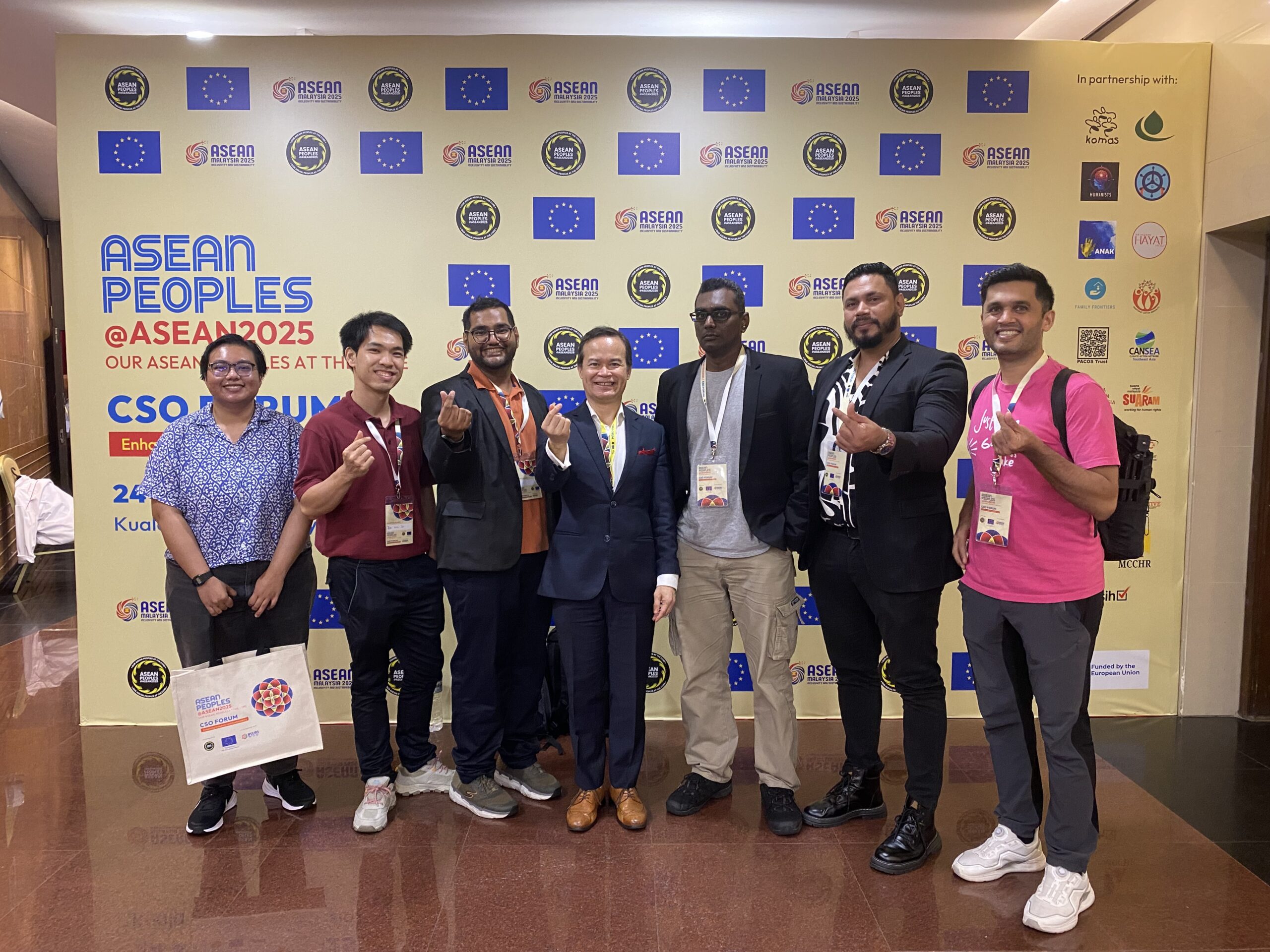
In my presentation, I gave an introduction to humanism and told my personal story of becoming a humanist and why I am a humanist: simply because religion divides humanity. I spoke about humanism’s philosophy, Humanists International and the long history of humanism throughout the world. The question & answer session was enlightening because some audience members were trying to understand more about humanism. To me, this was one of the most important parts of the Forum, to advocate for humanism.
Daniel John Jambun, the President of Borneo’s Plight in Malaysia Foundation, who is from Sabah, a Malaysian state in the island of Borneo, talked about decolonizing belief & the struggle for freedom of thought & indigenous identity in post-colonial Southeast Asia. He talked about forced conversions of indigenous people in Sabah to Islam in the thousands, which happens without their agreement or cognition and which happens until this very day, to serve the interest of various interests in Malaysia.
Finally, human rights lawyer & activist, Siti Kasim, spoke about the separation of religion & state. She said that sometimes, Islamic religious people convince non-Muslims to “test out” being a Muslim but after conversion, it is practically impossible to deconvert out of Islam. After that person passes away, religious authorities will look to bury the person who passed away in the Islamic fashion, even if the deceased’s immediate family disagrees with it.
She said that if you are a Muslim in Malaysia, there is no way for you to leave Islam. She said the Government of Malaysia should actually not interfere with our lives. If a Malaysian desires to convert out of Islam, the individual has to go to court. A human being, a judge, judges your faith. She asked the question, how can a human being tell you: you have to be a Muslim? Faith is between you and God. Under the Syariah provisions in Malaysia, one is not allowed to criticize or go against religious authorities or religious people.
Additionally, she said that the Shariah Courts (Criminal Jurisdiction) (Amendment) Bill will increase punishments for accused found guilty in the Syariah courts from a maximum of 3 years’ imprisonment to 30 years’ imprisonment, from a maximum of 6 lashes of the whip to 100 lashes and a maximum fine of RM5,000 to RM100,000. The offences under the Bill include illicit sex (khalwat), consuming alcohol, being absent thrice from Friday prayers at the mosque, eating during the fasting times in the month of Ramadhan and wearing non-Syariah compliant attire. To be clear, this Bill enables the relevant Shariah Court to impose such sentences if a state government passes its own Shariah enactments with these higher penalties.
Melvin Lim, President of Humanist Society Singapore, talked about the gambits of morality and objective decisions for a world in flux; “What happens when we do not agree on what is right?”
Finally, Dr Eugene K B Tan, Associate Professor of Law of Singapore Management University, talked about religious freedom in Singapore with reference to the repeal of section 377A of the Penal Code, which was a colonial law criminalizing same-sex relationships. The repeal took place after consistent national surveys showed that a significant segment of Singaporean society desired section 377A to be repealed but also in the same survey, they wanted the institution of marriage to be protected. Although Singapore was part of Malaysia until 1965 and we share similar cultures and history, that does not mean that Malaysia will follow Singapore anytime soon in this respect because of our more conservative society and Government.
It’s so tough to set out everything that was highlighted and discussed in the Forum in a single article like this. Some of the ideas and concepts deserve a second chance to be discussed because inter-religious dialogue is never an easy thing in Malaysia or anywhere else in the world. Furthermore, two coalitions of Islamic NGOs have already publicly condemned our recommendation regarding the separation of religion & state. Our work continues. That said, the biggest win for me is that Humanists Malaysia managed to introduce humanism to an audience of intellectually curious people and to a region where the concept of humanism is alien in itself and where the idea of atheism, despised. Humanists in Malaysia are open to discourse (in the Malaysian Language, “wacana”) with religious people to discover our shared humanity & what makes us the same, not to confront each other with our dogmatic views. Humanists Malaysia looks forward to organizing the next Forum!